Cycling through China
After a month in China, we only crossed a small part of this huge country by bicycle. A journey between cities, villages and many new situations that have made us discover a different side of China.


STEFANO
Date
April 2026
Reading
4 min
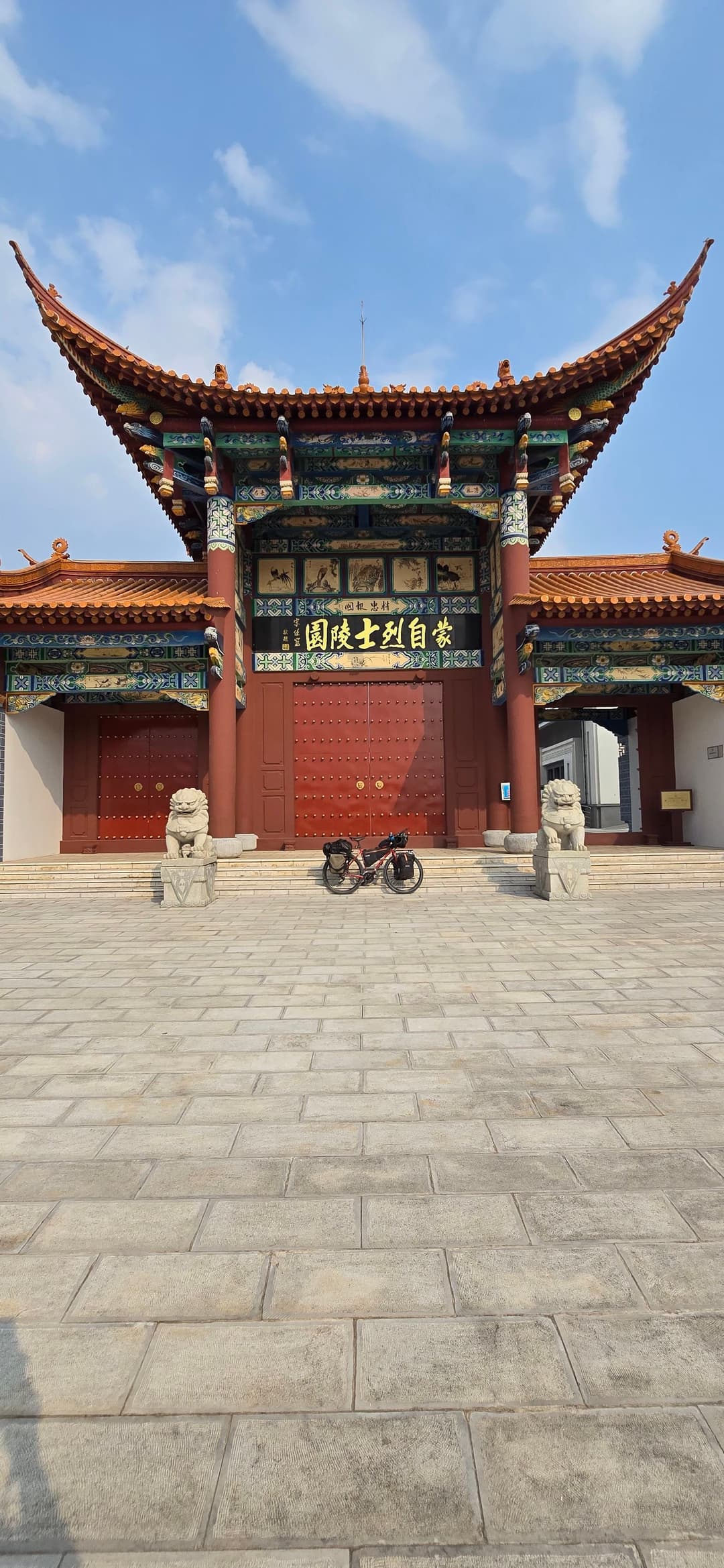
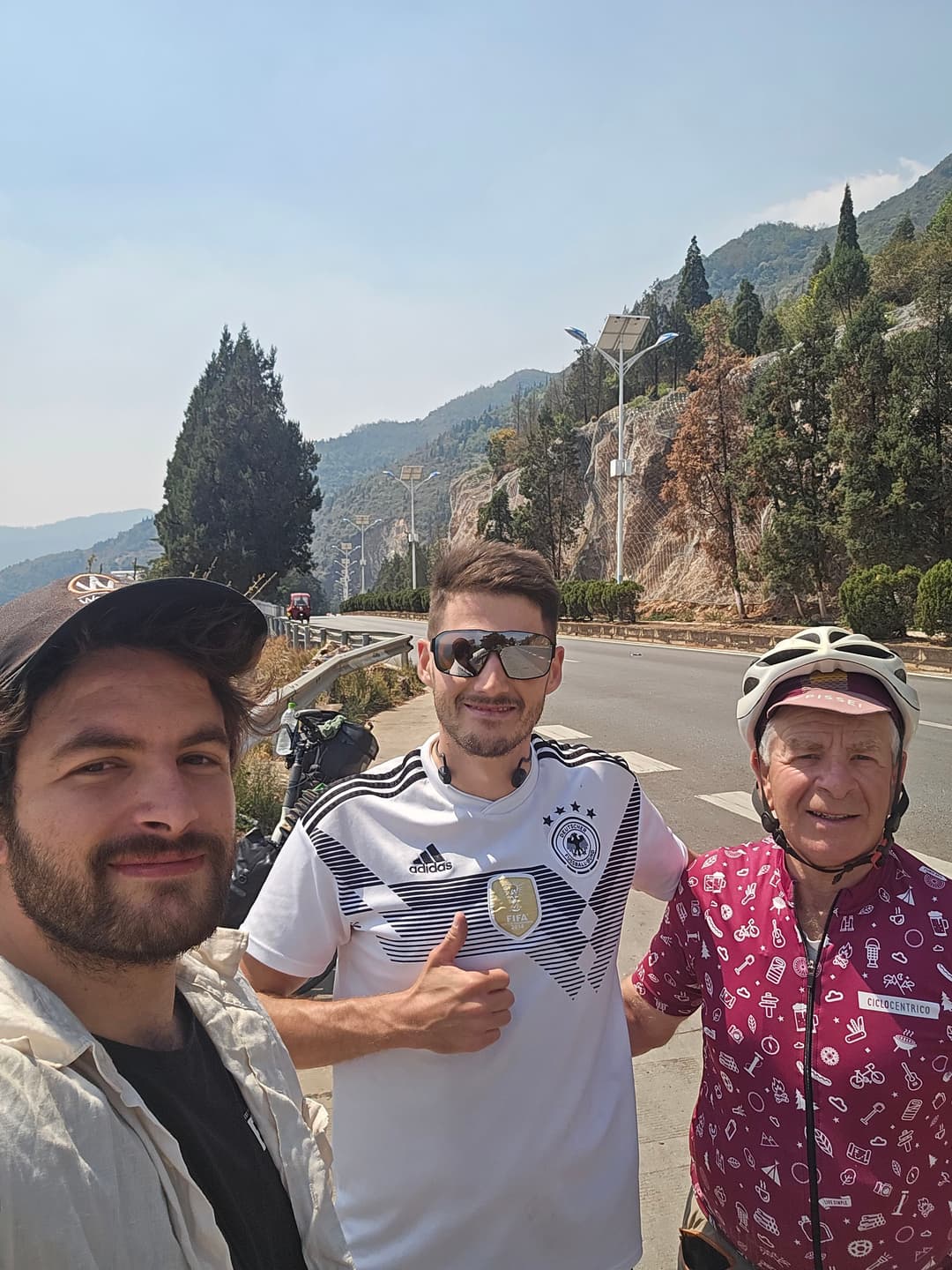
The border with China wasn’t the easiest: even though we already had a three-month paper visa obtained in Italy before leaving, they checked absolutely everything. All our bags went through X-ray scanners, our bikes were carefully inspected, they asked us a few questions, and requested to see our itinerary. In the end, everything was in order and they let us in without any issues. In China, almost nobody speaks English, and even with a translator, communication is really difficult. Almost all Western apps are blocked, and at the beginning even simple things take time and patience. But once you understand how the system works, everything slowly becomes easier. From the start, the country showed us how, despite its size, it is extremely controlled: cameras everywhere, lots of police, and every time you stay in a hotel you are registered and reported to local authorities. Despite everything, it remains a beautiful country, much cheaper than I expected, with kind people who are, however, almost impossible to talk to because of the language barrier. I had never experienced such a strong communication barrier before, and it is quite frustrating for someone like me who loves talking. Cycling in China isn’t too complicated, except for the trucks, which drive like crazy: they constantly pass very close and honk without mercy. One morning, completely out of nowhere while we were riding, I heard two people speaking English behind us. I turned around and saw two cyclists: Johannes, a German guy who started in Bangkok, and Beth, a girl from Wales who started from home and made it all the way to China. We talked mostly about travel and shared the road for two or three days, until we split in Kunming, where my dad and I left the bikes to explore the most famous cities in Yunnan by train. Trains in China are incredibly efficient (Italy, take notes 😅). To board, you just need your ID card: the system already has all your ticket information. The trains are extremely long, with seemingly endless carriages, very fast, and above all, perfectly on time.
“
Planning the trip is easy, making it clear to China a little less
”
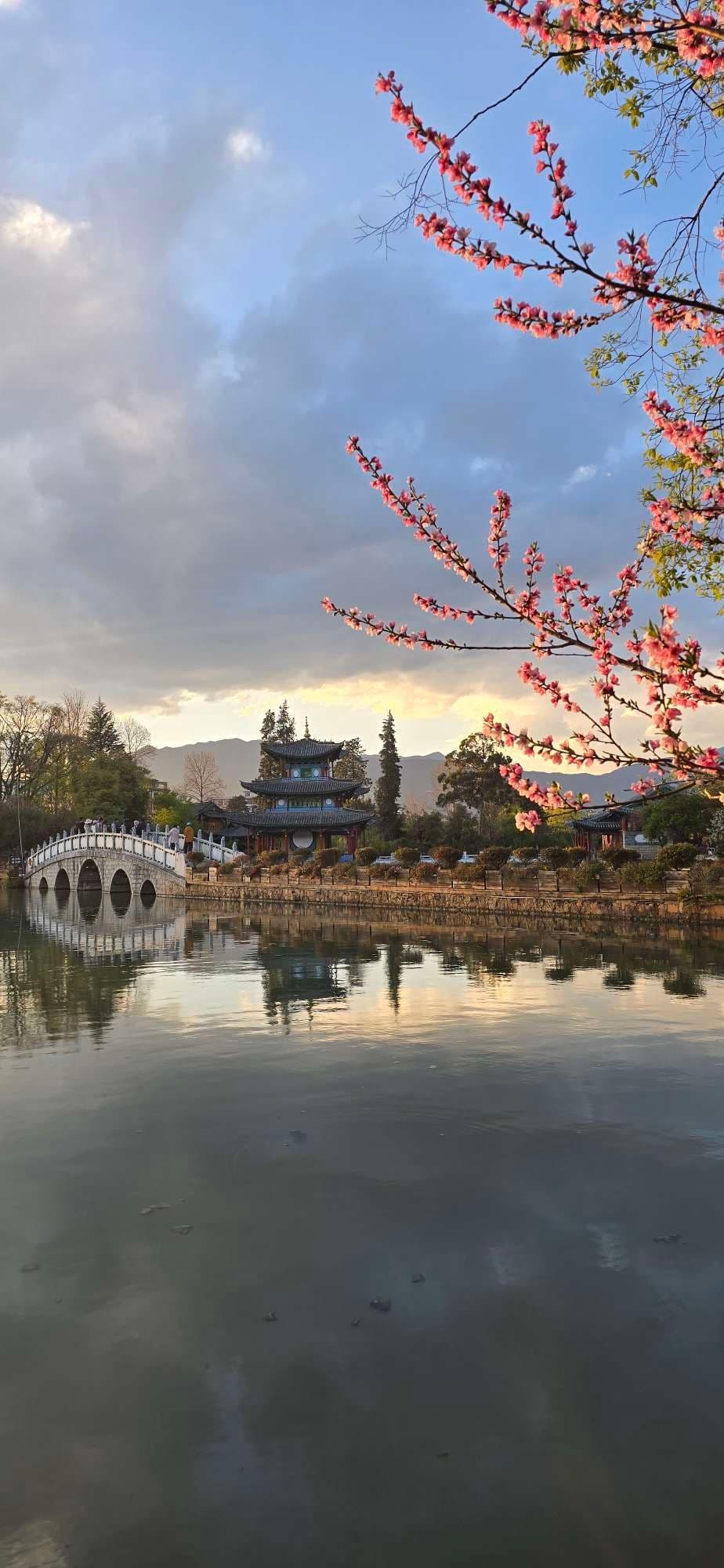
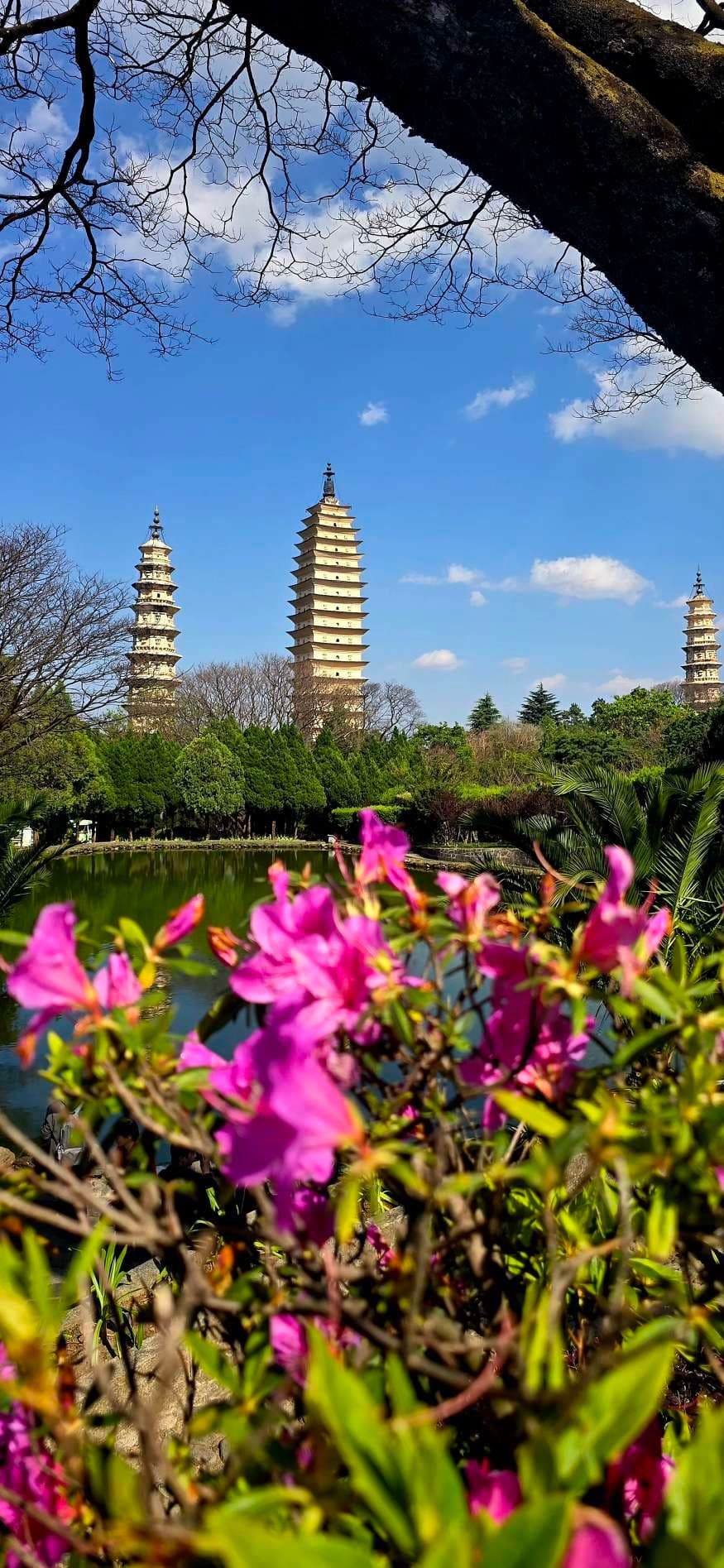
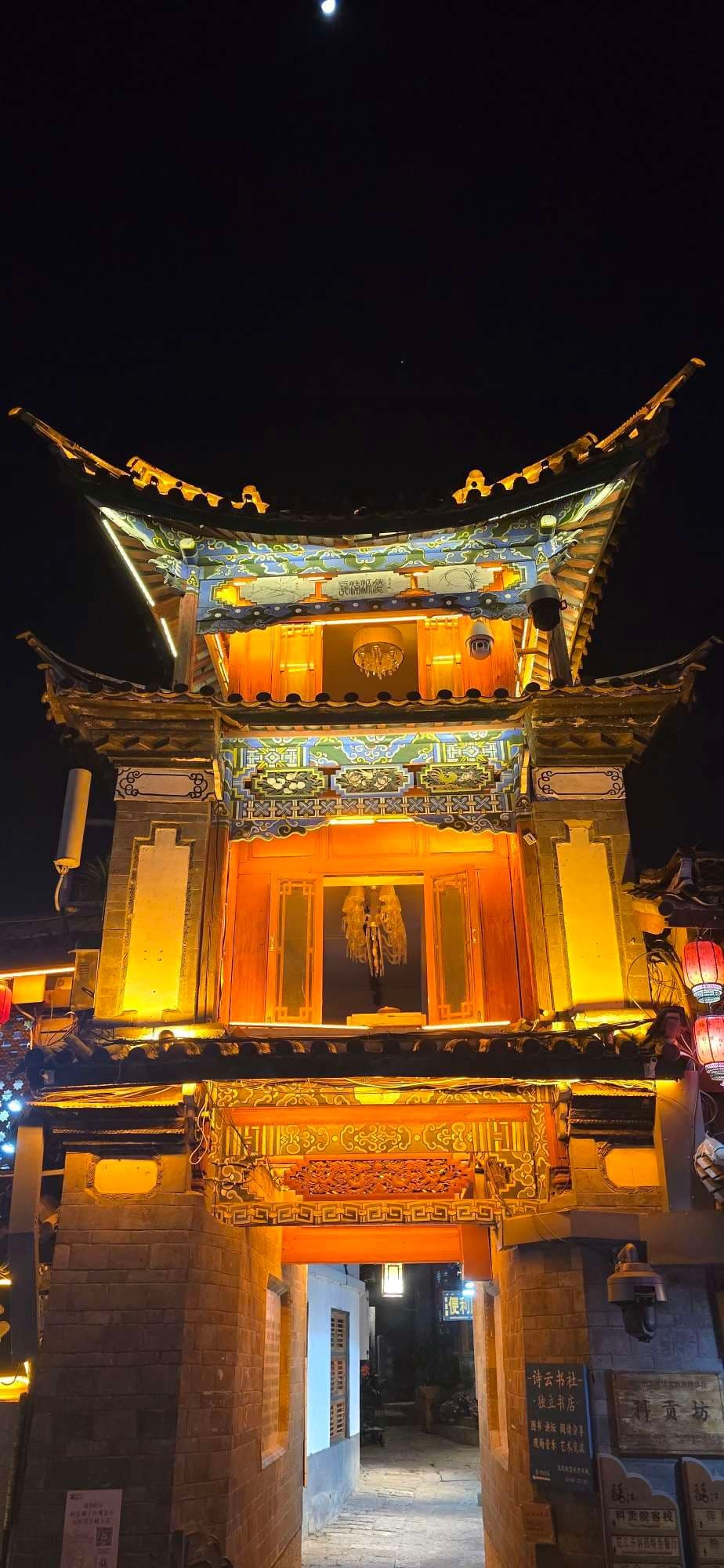
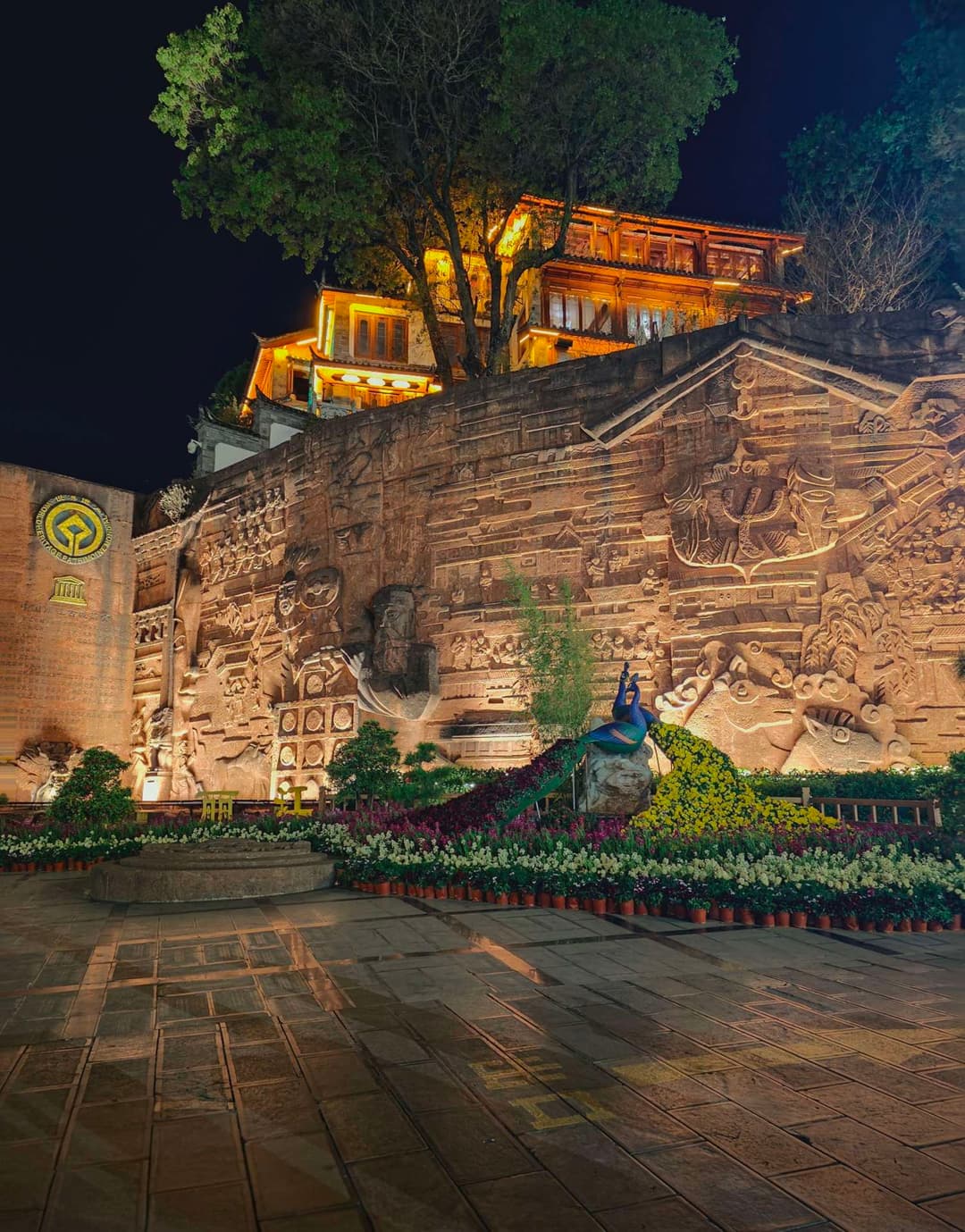
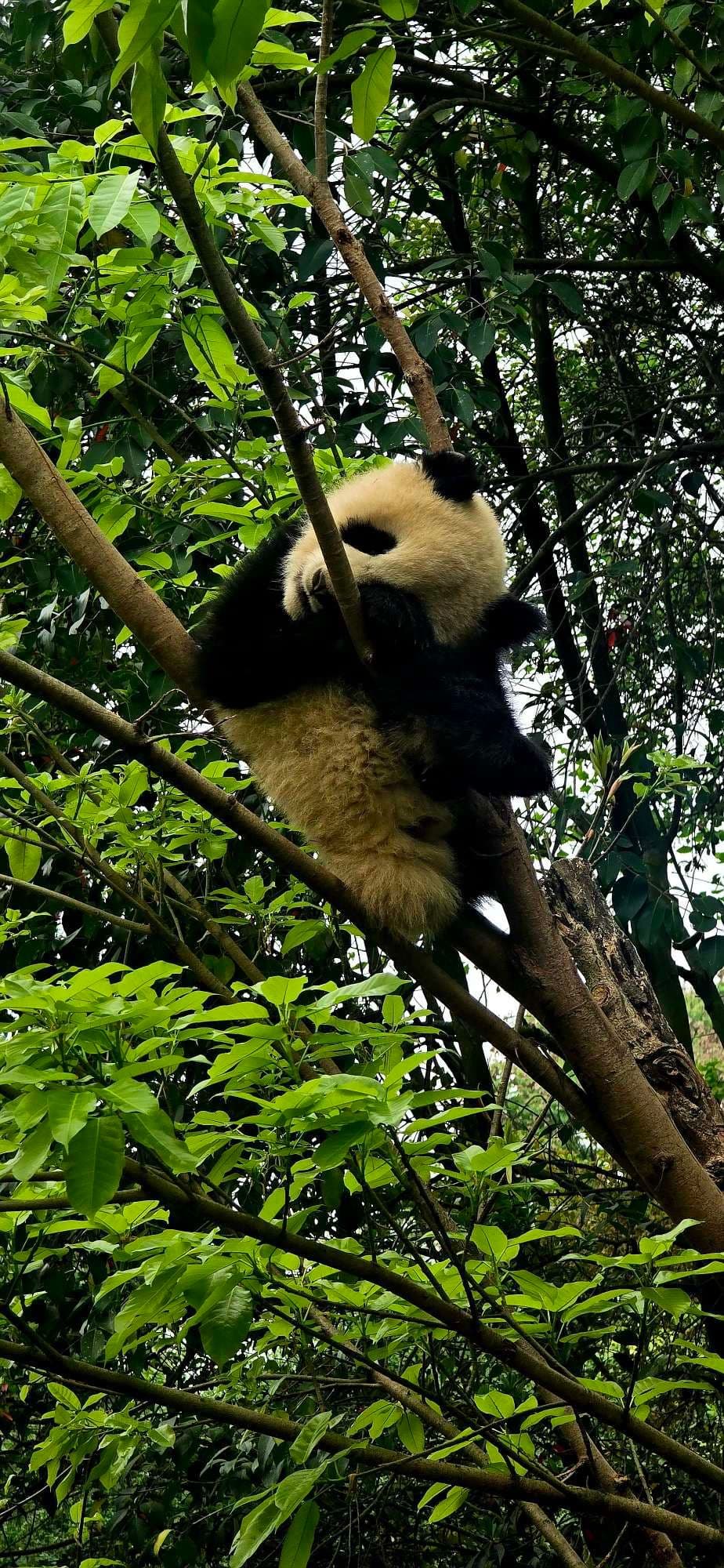
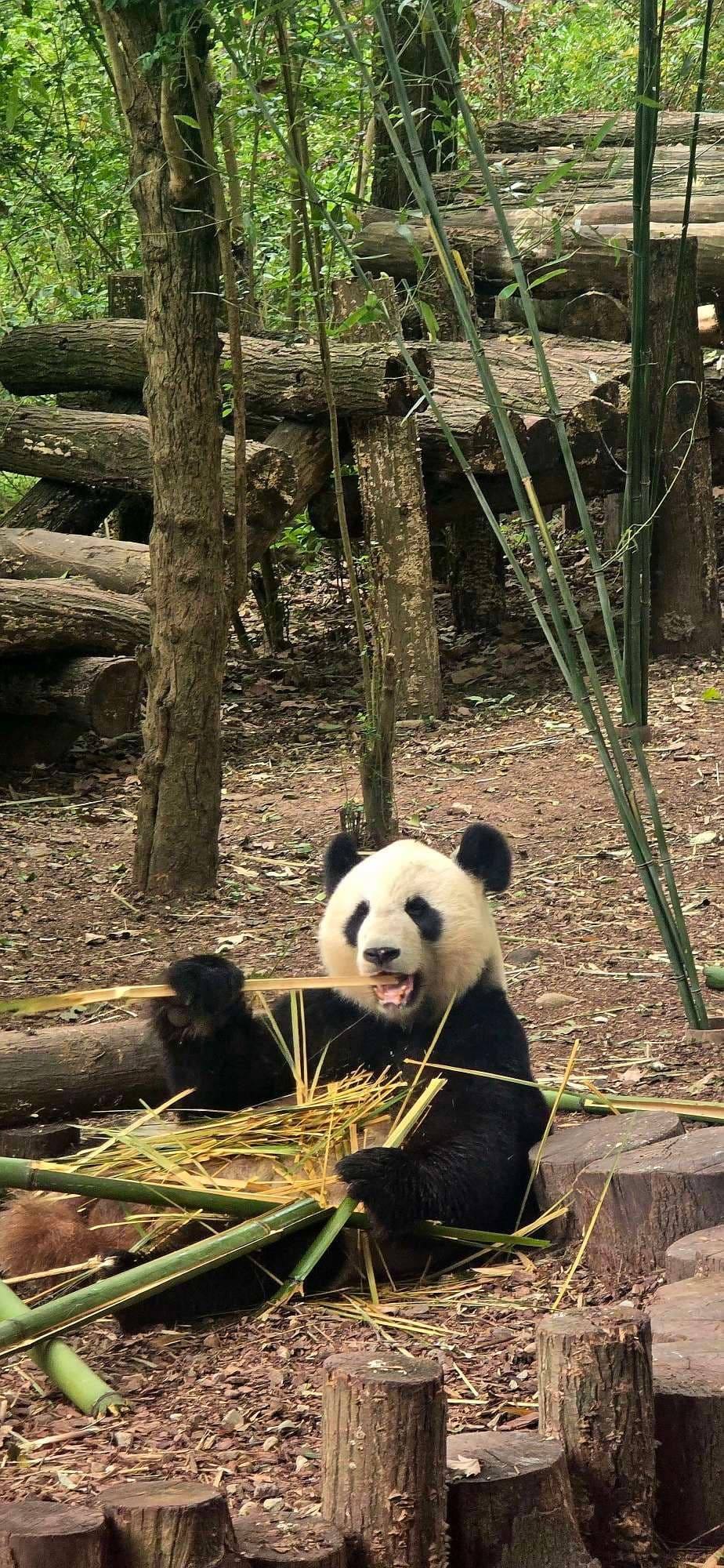
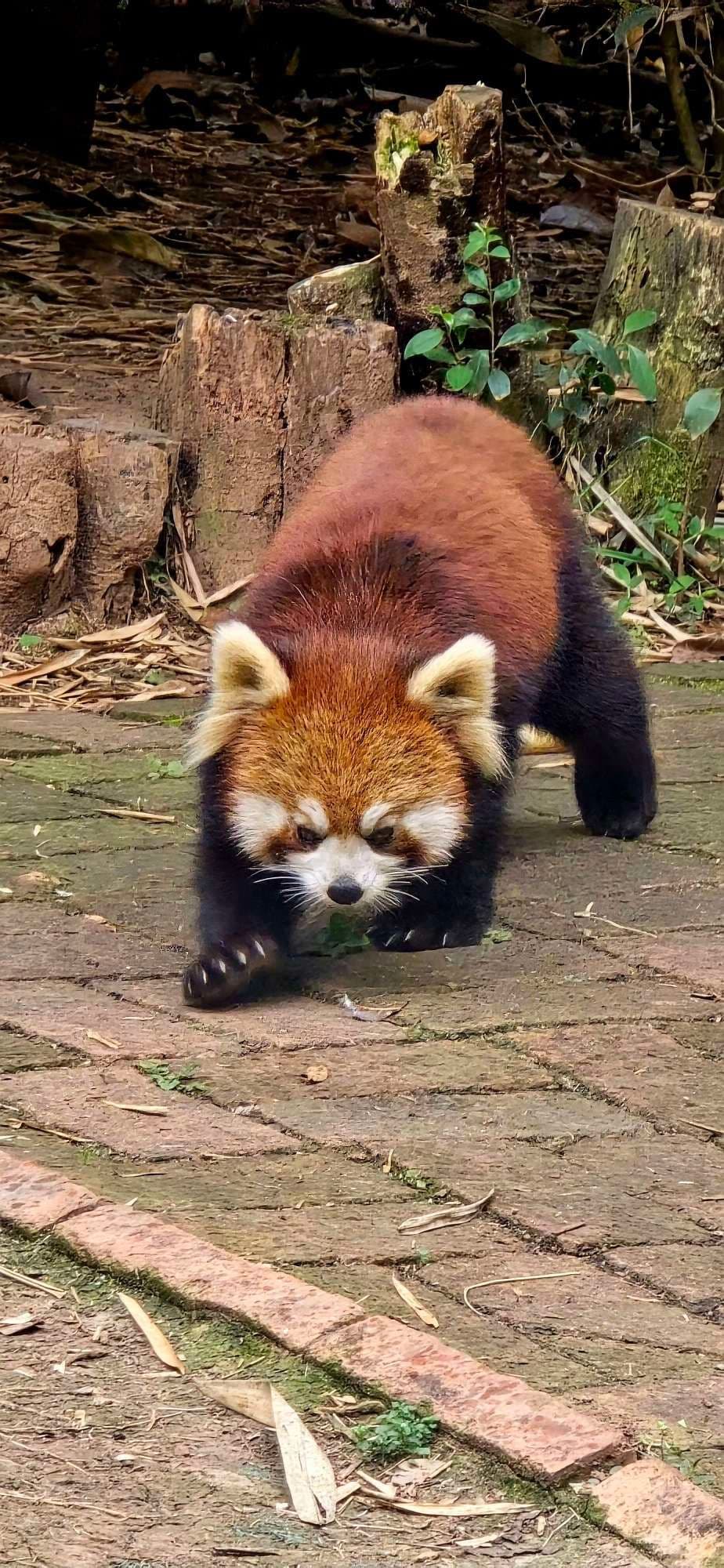
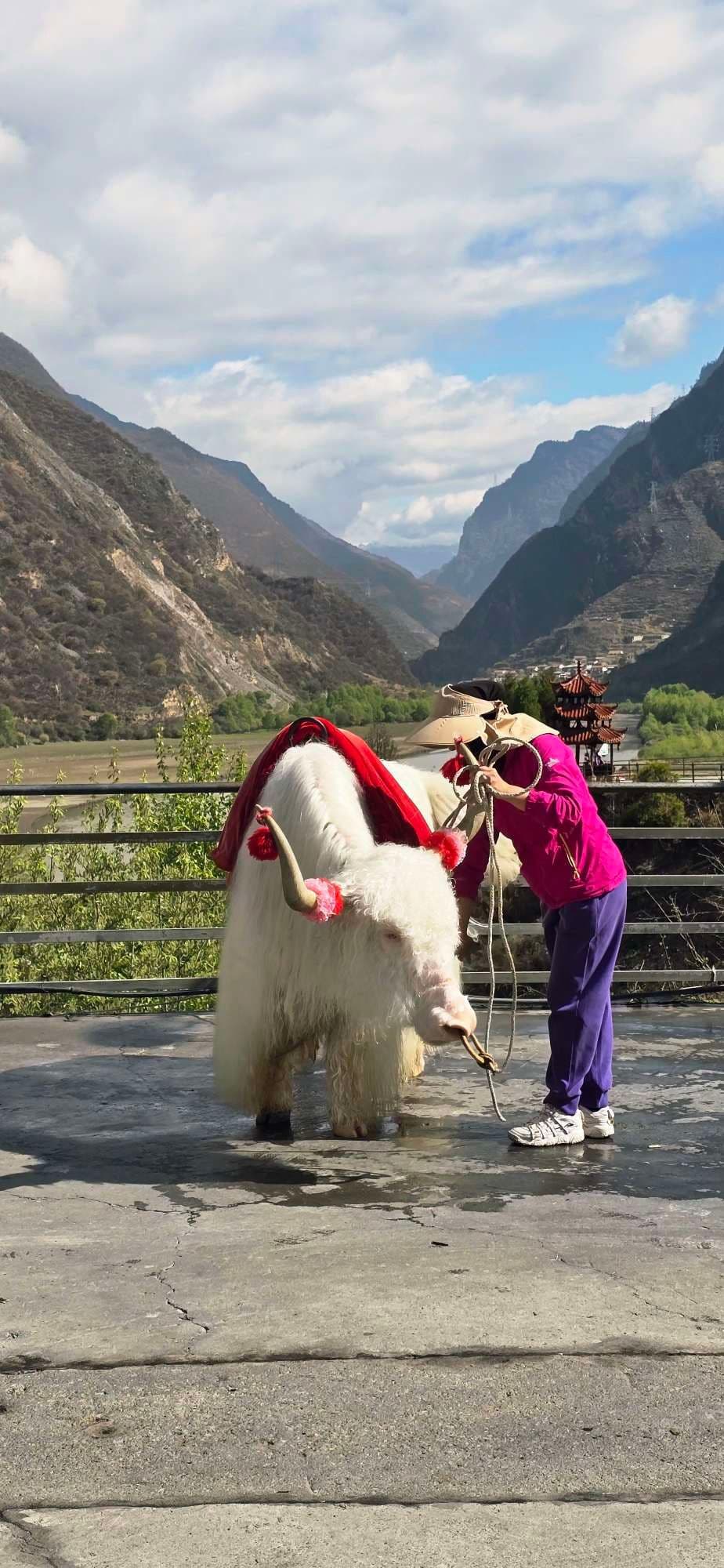
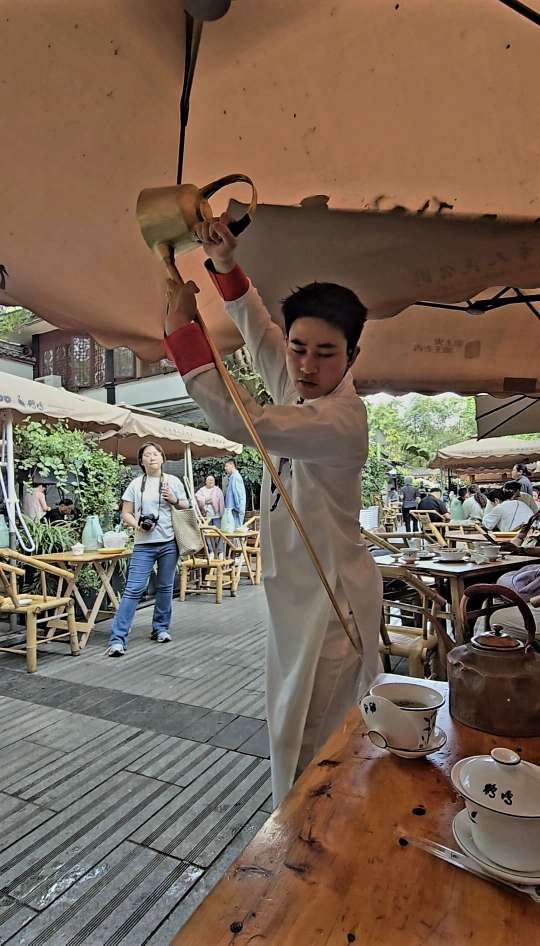
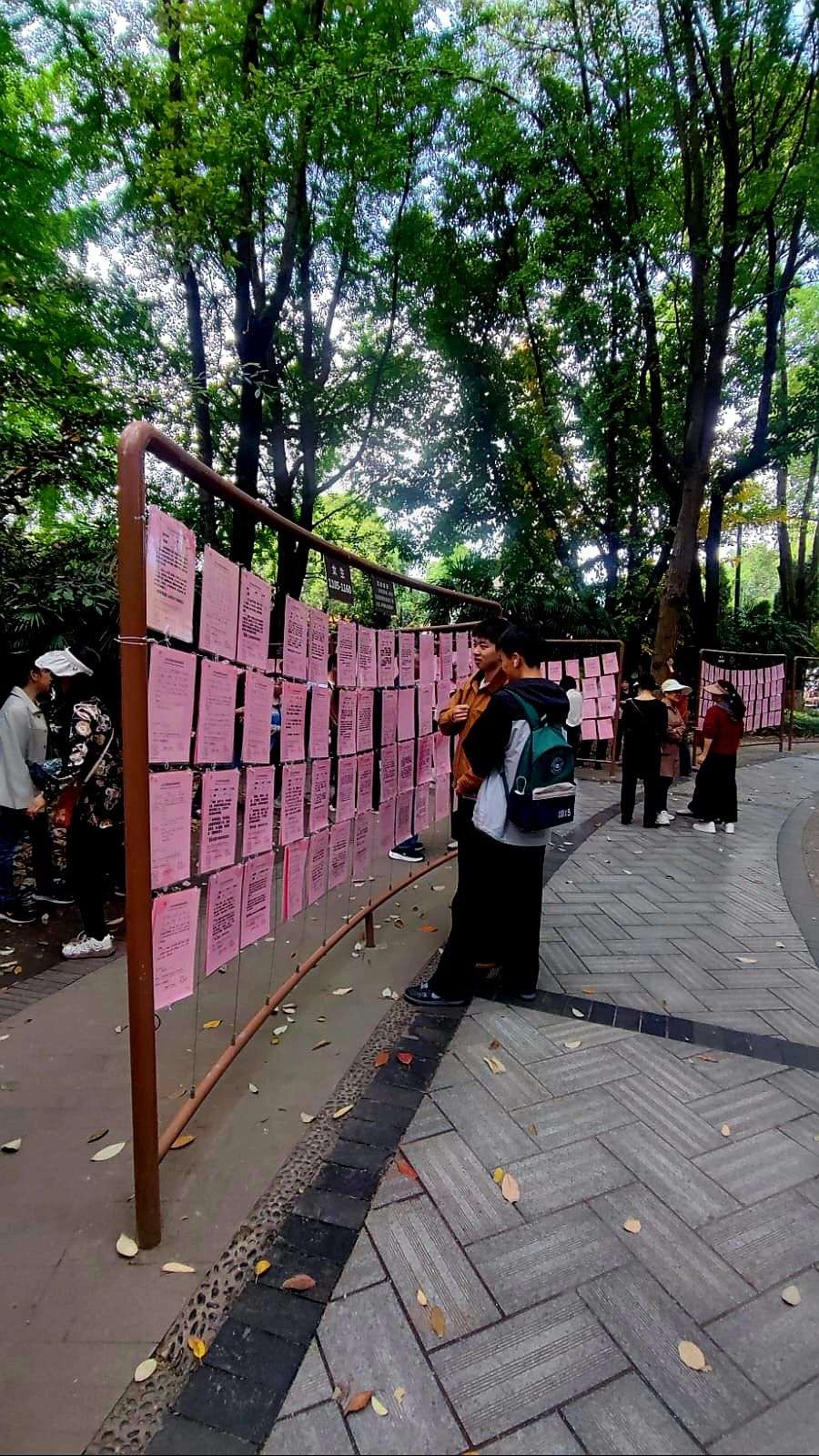
Thanks to the trains, we visited Dali (the City of Three Pagodas), Lijiang (very traditional and, in my opinion, the most beautiful), and Shangri-La (the gateway to Tibet, which reminded me a lot of my days in Nepal). It was definitely worth it. From Shangri-La we returned to Kunming and got back on the bikes with Chengdu as our goal, about 900 km away. Those 900 km were tough: lots of climbing, constantly changing temperatures, and many small villages that clearly show the contrast between modern cities and rural China. In my mind, I imagined China as a fully technological and advanced country, but once you leave the big cities, everything changes: it feels like going back a hundred years. People look at us like we’re aliens; sometimes they secretly take photos, other times they ask for selfies. When we arrived in Chengdu, we finally took our first real rest days. We stayed five days in this city of over 20 million people (about four times Sicily and twenty times Trentino-Alto Adige). We visited one of the most important giant panda and red panda conservation centers in the world. We went to Renmin Park, where we drank tea served by a tea master who, every time he pours hot water, performs an acrobatic show. We also watched the Bian Lian (face-changing) performance, typical of Sichuan: a fascinating show where performers change masks in a split second with incredibly fast and almost invisible movements. Each face represents a different emotion, creating a truly breathtaking performance. In the park there was also the famous “marriage market,” where families hang sheets with information to find partners for their children or even for themselves, a very curious sight. Now we are back on the road, heading north towards Zhangye, where the rainbow mountains await us. We have 1200 km ahead, mostly across the Tibetan Plateau, a vast mountainous region of Central Asia known as “the roof of the world.” We will be cycling for many kilometers between 3500 and 4000 meters of altitude. There are still 3700 km left until the end of China…